Friends or relatives who’ve heard of your homeschooling plans may have already asked, “But what about socialization?” If you’re thinking about homeschooling, you might have even wondered this yourself. This continues to be one of the most commonly asked questions of homeschooling parents, despite decades of academic research and anecdotal evidence showing that homeschooled children are generally significantly better “socialized” than their institutionally-schooled counterparts. Each family will answer the question differently, but here’s some food for thought as you form your own views on socialization.
Homeschool Editors, an email list sponsored by NHEN, was created for editors and publishers of homeschooling newsletters, magazines, e-zines and journals. Whether your homeschooling publication is large or small, you're welcome to join this group. Discussions cover the dilemmas faced and discoveries made trying to bring information to the homeschooling community.
K. Shankar Pillai (July 31, 1902–December 26, 1989) was a famous cartoonist. He brought out a political magazine called ‘Shankar’s Weekly’. Under the auspices of this magazine, a competition called the Shankar’s International Children’s Competition was organized in 1949. It invited paintings and writings from children in India. Children sent about 3,000 entries. The following year the competition was thrown open to children from all over the world. Today, the competition has grown and about 1,60,000 entries are received from over 130 countries. The entries are judged by an international jury. The prizewinning entries are compiled in a volume called the ‘Shankar’s Children’s Art Number’. The competition is open to children all over the world below the age of 16 years. There is no entry fee and competitors are free to choose the theme/subject they are interested in, or like most, for their paintings/ drawings/writings.
Drs. Abigail and Stephan Thernstrom's new book "No Excuses: Closing the Racial Gap in Learning" shows that the government education whites receive is nothing to write home about, but for blacks, it's no less than a disgraceful disaster.
Cheryl Seelhoff continues her look at the history of homeschooling by examining the importance of the HSLDA's response to H.R. 6, a House of Representatives bill addressing issues in elementary and secondary education. The HSLDA warned that this bill might require certification of home educating parents, in contrast to the opinions of other members of the homeschooling movement.
 Homeschool Adventures: Learning Through the Power of Field Trips (Live, Learn, W...
 Field Trips Diary: A Writing Journal for Recording Your Homeschool Travel Advent...
 Homeschool Field Trip Planner & Log Book: Plan, Track, and Document Educatio...
 The A to Z Guide to Home School Field Trips
 Field Trip Journal Adventurer Level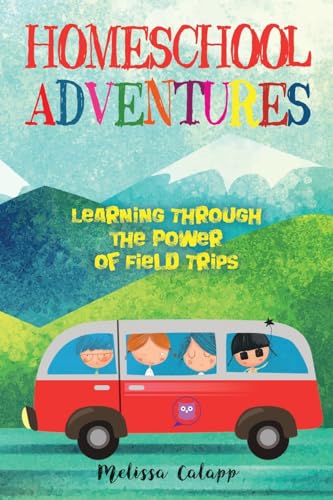


 Field Trip to Volcano Island (Field Trip Adventures)
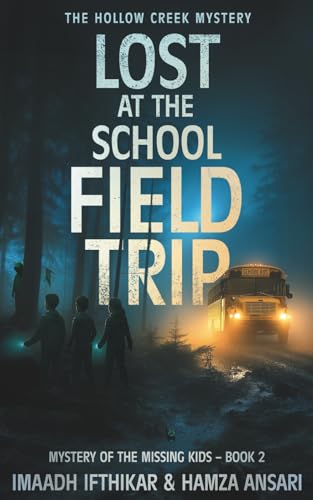
 Lost at the School Field Trip - The Hollow Creek Mystery: A Thrilling Teen Myste...
 Field Trip to the Moon (Field Trip Adventures)
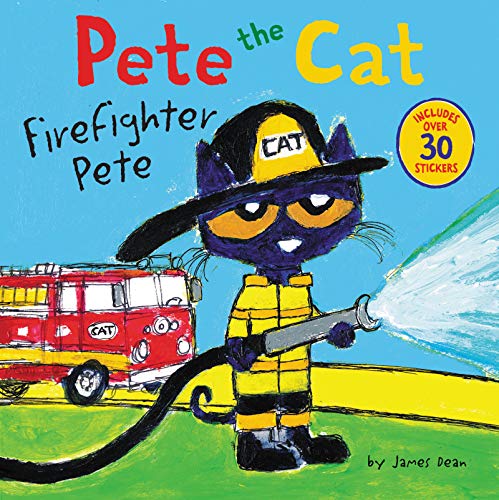
 Pete the Cat: Firefighter Pete: Includes Over 30 Stickers! – An Exciting Story A...